
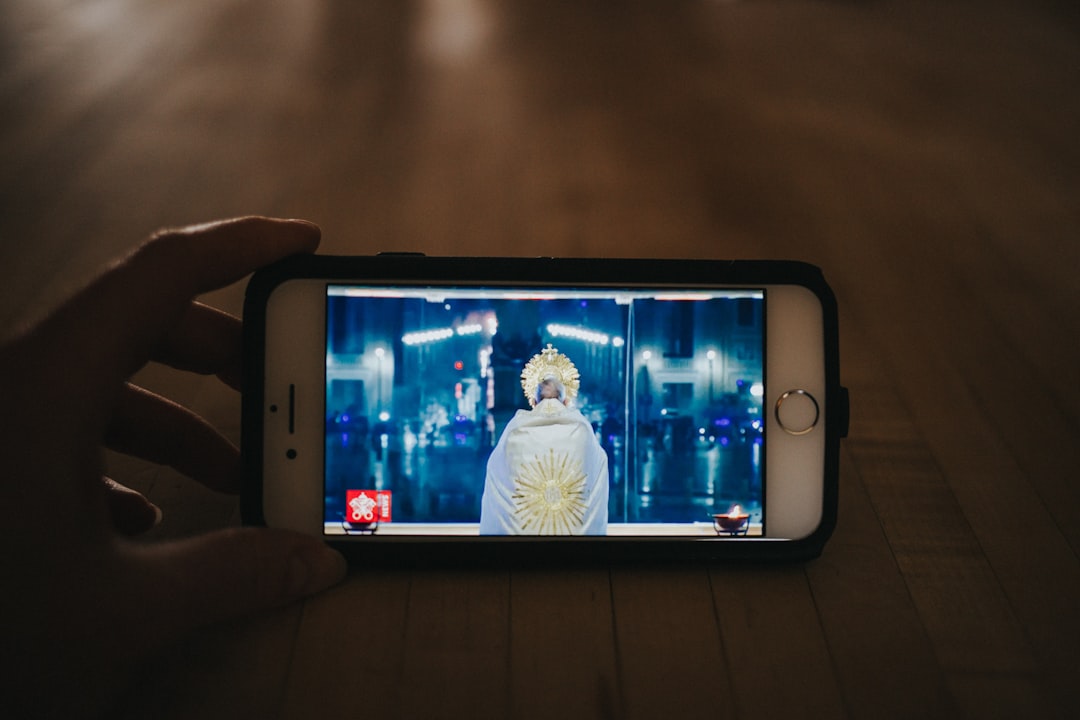
Live streaming, once a niche activity primarily associated with competitive gaming, has undergone a significant transformation, broadening its scope to encompass a vast array of everyday life experiences. This evolution reflects not only technological advancements but also fundamental shifts in human interaction and content consumption. The platform, initially a playground for gamers demonstrating their skills, has matured into a widespread cultural phenomenon, offering a direct and often unfiltered window into the lives of individuals across the globe.
The formative years of live streaming are inextricably linked to the burgeoning esports scene and the rise of platforms like Twitch (originally Justin.tv). These early iterations provided a space for professional and aspiring gamers to showcase their gameplay, share strategies, and cultivate communities around shared interests.
Early Platform Development and Features
Initial live streaming platforms were rudimentary compared to today’s sophisticated offerings. They primarily focused on video and audio transmission, with chat functionalities serving as the primary mode of viewer interaction. Features such as donations, subscriptions, and emotes were gradually introduced, creating tangible pathways for viewers to support creators and fostering a more dynamic viewing experience.
The Rise of Esports and Professional Streamers
The increasing popularity of esports titles like StarCraft, League of Legends, and Dota 2 fueled the growth of live streaming. Professional players found that streaming not only provided an additional revenue stream but also allowed them to connect with their fan bases on a more personal level. This direct engagement fostered loyal communities, contributing significantly to the mainstream appeal of esports.
Community Building Within Gaming Streams
Gaming streams cultivated unique communities characterized by shared interests, inside jokes, and a sense of belonging. Chatrooms became virtual gathering places, where viewers could discuss gameplay, offer encouragement, and even form lasting friendships. This communal aspect proved to be a powerful draw, differentiating live streaming from traditional pre-recorded content.
Expanding Horizons: Beyond the Game Controller
As technology advanced and internet penetration increased, the potential of live streaming beyond gaming became increasingly apparent. Creators began to experiment with diverse content, recognizing the platform’s ability to facilitate real-time engagement across various domains.
Creative Arts and Performance
Artists, musicians, dancers, and performers of all kinds discovered live streaming as a new stage for their craft. Musicians hosted virtual concerts, artists demonstrated their creative process, and dancers shared their routines in real-time. This format allowed for direct feedback from viewers, fostering a sense of shared artistic exploration.
Educational Content and Skill Sharing
Academics, educators, and subject matter experts gravitated towards live streaming to share knowledge and facilitate interactive learning experiences. From coding tutorials and language lessons to historical discussions and scientific explanations, live streams provided an accessible and often more engaging alternative to traditional educational formats. The ability to ask questions in real-time and participate in discussions transformed passive learning into active engagement.
Lifestyle and Everyday Vlogging
The concept of “irl” (in real life) streams emerged, where creators offered viewers a glimpse into their daily routines, hobbies, and personal experiences. This included activities like cooking, crafting, travel vlogging, and simply chatting with the audience. These streams often focused on authentic and unscripted interactions, fostering a sense of intimacy and relatability with the creator.
The Business of Live: Monetization and Professionalization
The growing popularity of live streaming naturally led to the development of sophisticated monetization strategies and the professionalization of content creation. What began as a hobby for many evolved into a viable career path for a significant number of streamers.
Subscription Models and Direct Support
Subscription models, often tiered with varying benefits, became a primary source of income for streamers. These subscriptions typically offer ad-free viewing, exclusive emotes, and access to private communities. Beyond subscriptions, direct donations, often accompanied by personalized messages, allowed viewers to directly support their favorite creators.
Brand Partnerships and Sponsorships
As viewership figures climbed, brands recognized the potential of live streaming as a powerful marketing channel. Streamers began to secure sponsorships, integrating product placements, brand mentions, and dedicated promotional segments into their broadcasts. This symbiotic relationship provided financial stability for creators and offered brands direct access to highly engaged audiences.
Affiliate Marketing and Merchandise
Affiliate marketing, where streamers earn a commission on sales made through unique links, became another common monetization strategy. Additionally, many popular streamers developed their own merchandise lines, ranging from apparel and accessories to personalized gaming peripherals, further diversifying their income streams and strengthening their brand identity.
Technological Advancements and Platform Diversification
The evolution of live streaming is intrinsically linked to technological progress, with continuous improvements in streaming quality, accessibility, and platform features. The landscape has also broadened beyond a few dominant players.
Improved Streaming Infrastructure
Advancements in internet speeds, camera technology, and encoding software have significantly enhanced the quality of live streams. Higher resolutions, smoother frame rates, and more reliable connections have contributed to a more immersive and enjoyable viewing experience for audiences.
Mobile Streaming and Accessibility
The proliferation of smartphones and mobile data networks has made live streaming more accessible than ever before. Mobile streaming applications allow individuals to broadcast from virtually anywhere, fostering a more spontaneous and on-the-go content creation environment. This has democratized streaming, allowing a wider range of individuals to participate as creators.
Emergence of New Platforms and Features
While Twitch remains a dominant force, platforms like YouTube Live, Facebook Live, and TikTok Live have carved out significant niches. These platforms often cater to specific audiences or content types, offering varied features and monetization options. Interactive elements like polls, quizzes, and integrated mini-games have further enriched the viewer experience, transforming passive consumption into active participation.
The Cultural Impact and Societal Implications
| Platform | Number of Viewers | Top Streamers |
|---|---|---|
| Twitch | Over 140 million monthly viewers | Ninja, Shroud, Tfue |
| YouTube Live | Over 200 million monthly viewers | PewDiePie, Markiplier, Jacksepticeye |
| Facebook Gaming | Over 700 million monthly viewers | Disguised Toast, StoneMountain64, TheSushiDragon |
| Instagram Live | Popular for lifestyle and everyday content | Various influencers and celebrities |
The widespread adoption of live streaming has had a noticeable impact on contemporary culture, influencing how individuals interact, consume media, and perceive authenticity. Its pervasive presence raises questions about everything from parasocial relationships to the nature of celebrity.
Reshaping Media Consumption Habits
Live streaming has introduced a distinct mode of media consumption, characterized by its immediacy, interactivity, and often unpolished nature. For many, it offers an alternative to traditional television and on-demand content, prioritizing real-time engagement and a sense of shared experience with a live audience. This shift reflects a desire for more direct and less curated forms of entertainment and information.
The Nature of Parasocial Relationships
Live streaming frequently fosters intense parasocial relationships between creators and their viewers. The perception of direct interaction, the sharing of personal moments, and the sense of community can lead to viewers feeling a deep connection with streamers, often mistaking familiarity for genuine friendship. This phenomenon has both positive aspects, in terms of community building, and potential negative ramifications, such as unrealistic expectations or emotional dependency.
Authenticity and Transparency
Given its live and unscripted nature, live streaming often conveys a sense of authenticity and transparency that is sometimes lacking in highly produced content. Viewers frequently value the raw and unfiltered aspects of streams, perceiving them as more genuine expressions of a creator’s personality and experiences. However, the performance aspect inherent in any public broadcast means that even “authentic” streams are still often curated to some degree.
Addressing Challenges: Moderation and Ethical Concerns
The unfiltered nature of live streaming also presents challenges regarding content moderation and ethical conduct. Platforms grapple with issues such as hate speech, harassment, misinformation, and the protection of minors. The real-time nature of streams makes comprehensive moderation difficult, necessitating a combination of automated tools, human moderators, and community reporting mechanisms to maintain a safe and inclusive environment.
Live streaming has transcended its origins in gaming to become a ubiquitous element of modern digital culture. Its evolution reflects a fundamental human desire for connection, entertainment, and shared experience in an increasingly interconnected world. As technology continues to advance and user habits shift, the dynamic landscape of live streaming will undoubtedly continue to evolve, shaping how individuals communicate, create, and consume content for years to come.
FAQs
What is live streaming culture?
Live streaming culture refers to the phenomenon of broadcasting real-time video content over the internet. This can include a wide range of content, from gaming to everyday life activities.
How has live streaming culture evolved?
Live streaming culture has evolved from primarily being focused on gaming to encompassing a wide variety of content, including cooking, travel, fitness, and more. It has also become a popular platform for influencers and content creators to connect with their audience in real time.
What are the benefits of live streaming culture?
Live streaming culture allows for real-time interaction between content creators and their audience, creating a sense of community and engagement. It also provides a platform for individuals to share their passions and talents with a global audience.
What are some popular live streaming platforms?
Some popular live streaming platforms include Twitch, YouTube Live, Facebook Live, and Instagram Live. Each platform offers unique features and caters to different types of content creators and audiences.
What are the potential drawbacks of live streaming culture?
While live streaming culture offers many benefits, it also comes with potential drawbacks, such as privacy concerns, online harassment, and the pressure to constantly produce engaging content. It’s important for content creators and viewers to be mindful of these potential drawbacks and take steps to mitigate them.