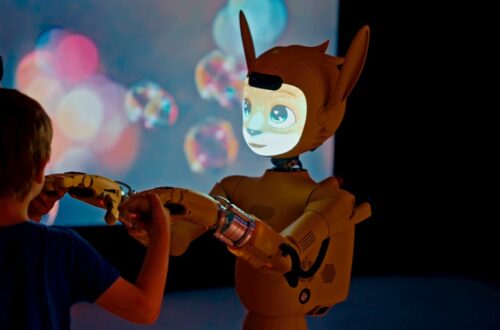

The digital landscape is undergoing a subtle yet significant transformation with the emergence and proliferation of virtual influencers. These digitally rendered personalities, meticulously crafted and managed by human teams, are increasingly carving out a niche in the entertainment industry, challenging traditional notions of celebrity and brand endorsement. Their rise is not merely a technological curiosity but a reflection of evolving consumer behavior, the pursuit of controlled narratives, and the boundless potential of digital artistry.
The concept of virtual humans is not entirely new, drawing inspiration from early CGI characters in films and video games. However, the development of sophisticated AI, advanced 3D modeling, and the accessibility of powerful rendering software have democratized the creation of these digital entities. What was once the exclusive domain of blockbuster film studios can now be undertaken by smaller creative agencies and even individual artists.
Early Forerunners and Technological Leaps
Before the current wave of virtual influencers, precursor characters like Sega’s Sonic the Hedgehog or Nintendo’s Mario gained substantial recognition. While not functioning as direct endorsers in the modern sense, these characters demonstrated the power of engaging digital personalities in popular culture. The true catalyst for the modern virtual influencer, however, lies in the convergence of several technological advancements. High-fidelity 3D modeling and animation, once prohibitively expensive and time-consuming, became more manageable. The development of sophisticated game engines, like Unreal Engine and Unity, provided robust platforms for creating and rendering lifelike characters. Furthermore, advancements in AI, particularly in natural language processing and generative AI, have begun to imbue these characters with more dynamic and interactive capabilities, moving them beyond static representations.
The Business Case for the Unflawed
From a business perspective, virtual influencers offer distinct advantages. They are, in essence, digital assets that can be programmed, controlled, and iterated upon without the unpredictable human elements that can derail a campaign. This offers brands a level of certainty and consistency that can be highly appealing.
Brand Control and Narrative Consistency
One of the primary drivers behind the adoption of virtual influencers is the unparalleled control they afford brands. Companies can meticulously curate the personality, aesthetic, and messaging of their virtual ambassadors. This eliminates the risk of off-brand comments, personal scandals, or unpredictable behavior that can tarnish a human influencer’s reputation and, by extension, the brand they represent. The narrative can be precisely shaped to align with marketing objectives, ensuring a consistent brand voice across all platforms. Every post, every sponsored mention, can be meticulously planned and executed to maximize impact.
Cost-Efficiency and Scalability
While the initial investment in creating a high-quality virtual influencer can be significant, the long-term cost-efficiency and scalability are compelling. Unlike human influencers who command escalating fees with growing popularity, the operational costs of managing a virtual influencer remain relatively stable. Furthermore, virtual influencers can be deployed across multiple campaigns and platforms simultaneously, reaching diverse audiences without the logistical challenges associated with coordinating multiple human personalities. This allows for a more agile and responsive marketing strategy.
Global Reach and Timeless Appeal
Virtual influencers are inherently bound by no geographical limitations. They can be designed with diverse ethnic backgrounds and appeal to global audiences. Their digital nature also means they are not subject to the physical constraints of time differences or travel, enabling them to engage with followers 24/7. Moreover, their digital existence grants them a form of timelessness, remaining unaffected by aging or the natural ebb and flow of human trends.
The Architected Persona: Crafting Digital Idols
The creation of a virtual influencer is a complex process that blends artistic talent with strategic marketing. It involves meticulous design, sophisticated animation, and the development of a compelling backstory.
The Art and Science of Character Design
The visual appeal of a virtual influencer is paramount. This involves the skilled work of 3D modelers, character artists, and fashion designers who bring these digital beings to life. The process often begins with conceptualization, defining the influencer’s aesthetic, age, gender identity, and overall style.
From Sketch to Render: The Visual Pipeline
The journey from initial concept to a fully rendered and animated virtual influencer is intricate. It begins with detailed concept art and character sketches. These are then translated into 3D models using specialized software. Rigging, a process that adds a digital skeleton to the model, allows for animation. Texturing and shading add realistic detail to the skin, hair, and clothing. Finally, advanced rendering techniques are employed to create the photorealistic or stylized visuals that captivate audiences. This pipeline requires a multidisciplinary team of artists and technicians working in close collaboration.
Beyond the Visual: Developing a Unique Identity
A compelling virtual influencer is more than just a visually appealing avatar. They require a carefully crafted personality, a backstory, and a unique voice. This is where writers, narrative designers, and social media strategists come into play.
Backstory and Narrative Arc
Every successful virtual influencer has a narrative. This can range from a simple origin story to a complex, evolving storyline that unfolds over time. This narrative helps to create a sense of depth and relatability, fostering a connection with their audience. The narrative can be used to drive engagement, create anticipation, and even subtly convey brand messages.
Voice, Tone, and Personality Traits
The way a virtual influencer communicates is as important as their appearance. Their voice, tone, and specific personality traits are meticulously defined. This includes their conversational style, their sense of humor (or lack thereof), their values, and their general outlook on life. This ensures consistency in their interactions and reinforces their established persona.
Digital Footprints and Audience Engagement
Virtual influencers engage with their audiences across a variety of digital platforms, employing strategies that often mirror those of their human counterparts but with a unique digital twist.
Platform Strategy and Content Creation
The choice of platforms and the type of content produced are crucial for building and maintaining a virtual influencer’s presence. This often involves a multi-platform approach to maximize reach and engagement.
Social Media Domination: Instagram, TikTok, and Beyond
Platforms like Instagram and TikTok are prime real estate for virtual influencers. Their visually driven nature lends itself perfectly to showcasing high-quality renders and curated content. Short-form video content, often featuring trending sounds and challenges, allows virtual influencers to tap into viral moments and connect with younger demographics. The interactive features of these platforms, such as polls, Q&A sessions, and live streams, are also utilized to foster a sense of community.
Storytelling Through Digital Mediums
Beyond simple posts, virtual influencers often leverage digital storytelling techniques. This can include animated shorts, interactive web experiences, or even episodic content released across various platforms. These longer-form narratives allow for deeper character development and more complex engagement with their audience’s interests.
The Art of Simulation: Mimicking Human Interaction
While not sentient, virtual influencers are designed to mimic human interaction convincingly. This requires sophisticated scripting, advanced animation, and a keen understanding of social dynamics.
AI-Powered Engagement and Chatbots
The integration of AI is increasingly enhancing the interactive capabilities of virtual influencers. AI-powered chatbots can handle basic inquiries, respond to comments, and even engage in rudimentary conversations with followers, creating a more dynamic and responsive experience. While still in its nascent stages, this technology holds the potential to create highly personalized interactions.
Responding to Trends and Cultural Moments
Virtual influencers are programmed to be aware of and respond to trending topics and cultural moments, albeit through their human handlers. This allows them to remain relevant and participate in the broader cultural conversation, often with a unique, digitally-filtered perspective. This requires constant monitoring of social media trends and rapid content creation.
The Commercial Canvas: Brand Collaborations and Monetization
The rise of virtual influencers has opened up new avenues for brand collaborations and monetization, offering an alternative to traditional influencer marketing.
Endorsements and Product Placements
Virtual influencers are increasingly tapped by brands for product endorsements and integrated marketing campaigns. Their curated image and controlled narrative make them ideal candidates for promoting a wide range of products and services.
Seamless Integration with Brand Messaging
Brands are finding that virtual influencers can integrate their products into content in a way that feels organic and visually appealing. Whether it’s showcasing a new fashion line, promoting a tech gadget, or endorsing a lifestyle choice, the virtual influencer can present the product in a way that aligns perfectly with their established persona and brand aesthetic. This can be achieved through aesthetically pleasing product shots, sponsored posts that highlight specific features, or even by featuring the product within a narrative context.
Virtual Showrooms and Digital Product Launches
The digital nature of virtual influencers allows for innovative product launches and virtual showrooms. Brands can host exclusive events within virtual worlds, allowing followers to interact with the virtual influencer and explore new products in an immersive digital environment. This can create a unique and memorable brand experience that transcends physical limitations.
New Revenue Streams and Monetization Models
Beyond traditional endorsements, virtual influencers are exploring diverse revenue streams.
Virtual Merchandise and NFTs
The image and likeness of popular virtual influencers can be leveraged to create virtual merchandise and non-fungible tokens (NFTs). This allows fans to own digital assets related to their favorite personalities, creating a new form of fan engagement and a lucrative revenue stream for both creators and influencers.
Performance Royalties and Digital Asset Licensing
As virtual influencers gain traction, there is potential for them to earn royalties from the licensing of their digital assets and performances. This could include the use of their likeness in games, animated series, or other digital entertainment projects. This opens up a complex landscape of intellectual property and digital rights.
The Ethical and Societal Implications
| Metrics | Data |
|---|---|
| Number of virtual influencers | Increasing |
| Engagement rate | High |
| Brand collaborations | Growing |
| Followers on social media | Millions |
| Impact on digital marketing | Significant |
The rise of virtual influencers is not without its complexities, raising questions about authenticity, consumer trust, and the future of digital identity.
The Fine Line Between Real and Fabricated
One of the most significant challenges is the blurring of lines between real and fabricated presence. While transparently digital, the increasing realism of these characters can lead some consumers to perceive them as genuine individuals. This raises concerns about disclosure and the potential for deception.
Transparency in Disclosure and Labeling
Clear and consistent labeling practices are crucial to ensure consumers understand that they are interacting with a digitally created entity. This helps to manage expectations and prevent potential disillusionment. The regulatory landscape around virtual influencers is still evolving, and clear guidelines are needed to ensure ethical practices.
The Impact on Mental Health and Body Image
The perfection inherent in the design of virtual influencers, free from the imperfections of human beings, can potentially contribute to unrealistic beauty standards and negative body image issues among impressionable audiences. Their flawless appearances and seemingly effortless lifestyles can create a sense of inadequacy.
The Evolving Definition of Celebrity and Influence
The emergence of virtual influencers compels a re-evaluation of what it means to be a celebrity and how influence is wielded. They challenge traditional notions of fame being tied to human experience and lived reality.
The Future of Digital Identity and Personhood
As virtual influencers become more sophisticated, questions about digital identity and even a form of rudimentary “personhood” may arise. This delves into philosophical debates about consciousness, agency, and the nature of existence in the digital realm.
The Potential for Misinformation and Manipulation
The controlled nature of virtual influencers, while a benefit for brands, also presents a risk for the dissemination of misinformation and the subtle manipulation of public opinion. Their lack of genuine personal experience means their endorsements and statements are purely curated, potentially lacking the grounding of human perspective. The responsibility for ethical content creation and dissemination rests heavily with the human teams behind these digital entities. The continued evolution of this phenomenon will undoubtedly require ongoing discourse and critical examination.
FAQs
What are virtual influencers?
Virtual influencers are computer-generated characters or avatars that are designed to look and behave like real people. They are used in digital marketing and entertainment to engage with audiences on social media platforms.
How are virtual influencers created?
Virtual influencers are created using advanced computer graphics and animation technology. Designers and artists use software to create the appearance, personality, and behavior of the virtual influencer.
What is the purpose of virtual influencers?
Virtual influencers are used for marketing, advertising, and entertainment purposes. They can promote products and brands, engage with followers, and create content for social media platforms.
Are virtual influencers becoming popular?
Yes, virtual influencers are becoming increasingly popular in the digital entertainment industry. Many brands and companies are using virtual influencers to reach and engage with their target audience.
What are the advantages of using virtual influencers?
Using virtual influencers can provide a unique and innovative way to connect with audiences, create engaging content, and promote products and services. Virtual influencers also offer flexibility and control over their appearance and messaging.