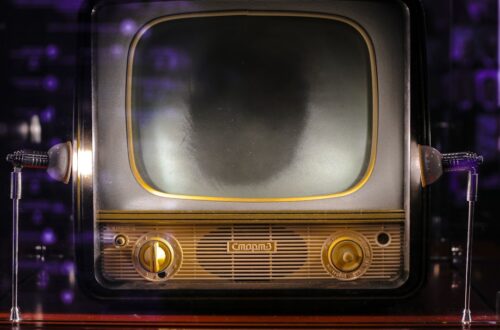
The television landscape, once dominated by scheduled broadcasts and a singular viewing experience, is undergoing a profound transformation. This shift, often termed the “Digital-First Revolution,” is not merely an evolution but a fundamental redefinition of how content is produced, distributed, and consumed. Traditional television, characterized by its linear programming and reliance on broadcast infrastructure, is increasingly finding itself in a state of flux, adapting to the prevailing digital tides or facing obsolescence.
This article examines the multifaceted aspects of this revolution, exploring the drivers behind it, the challenges it presents to established players, and the innovative strategies being employed to navigate this evolving environment. It delves into the impact on content creation, the fragmentation of audiences, and the commercial implications for advertisers and broadcasters alike. Ultimately, it seeks to provide a structured understanding of the profound and ongoing alteration of the television sector.
The bedrock of traditional television has always been its linear format: appointment viewing dictated by fixed schedules. However, this model’s inherent inflexibility has proven to be its most significant vulnerability in the face of digital alternatives.
The Rise of On-Demand Consumption
The advent and widespread adoption of streaming services have irrevocably altered viewing habits. Consumers now expect to access content whenever and wherever they choose, a paradigm shift away from the dictated schedules of the past.
- The Netflix Effect: The pioneering success of platforms like Netflix demonstrated the immense appeal of an on-demand library, allowing users to binge-watch entire seasons or revisit favorite shows at their leisure. This set a new standard for convenience and control, which traditional TV struggled to match.
- Subscription Video-on-Demand (SVOD) Proliferation: Following Netflix’s lead, a multitude of SVOD services have emerged, offering diverse content libraries. From niche genre platforms to broad-appeal services from established media conglomerates, the market is now saturated with options, further fragmenting the audience that once gathered around a handful of broadcast channels.
- Free Ad-Supported Streaming TV (FAST) Services: A more recent development, FAST services have democratized access to on-demand content by removing subscription fees, relying instead on advertising. This model offers a compelling alternative for price-sensitive consumers and presents a new avenue for advertisers seeking engaged audiences.
The Decline of Live Broadcast as the Primary Gateway
While live events still hold significant sway, the general expectation for daily or weekly content consumption has moved firmly into the digital realm.
- Time-Shifting and Cord-Cutting: The ability to record programs and watch them later at one’s convenience (time-shifting) was an early precursor to the on-demand revolution. This gradually chipped away at live viewership for non-event programming. The subsequent trend of “cord-cutting,” the cancellation of traditional cable or satellite subscriptions in favor of streaming alternatives, has further accelerated this decline.
- Generational Divides: Younger demographics, having grown up with digital technologies, are less embedded in the traditional TV viewing experience. For them, streaming platforms and social media are the default modes of entertainment consumption, leading to a gradual natural decline in traditional TV’s relevance for future generations.
Content Creation Reimagined for the Digital Audience
The digital-first revolution has not only changed how content is delivered but also how it is conceived, produced, and marketed. Creators and producers are being forced to adapt their strategies to cater to the evolving demands of a digitally savvy audience.
The Impact of Data Analytics on Content Strategy
Streaming platforms leverage vast amounts of user data to inform their content decisions. This data-driven approach offers a stark contrast to the more qualitative, intuition-based methods that often guided traditional TV programming.
- Audience Segmentation and Personalization: Data analytics allows platforms to identify specific audience segments and tailor content recommendations accordingly. This can lead to hyper-personalized viewing experiences, creating a sense of individual engagement that linear TV struggles to replicate.
- Predictive Programming and Content Development: By analyzing viewing patterns, completion rates, and engagement metrics, platforms can predict what types of content are likely to resonate with their subscribers. This influences greenlighting decisions and shapes the creative direction of new productions.
- The “Algorithm” as Curator: In many instances, algorithmic recommendations have become the primary mode of content discovery, replacing traditional editorial curation. This can lead to a highly efficient, albeit sometimes echo-chamber-like, viewing experience.
Shifting Production Models and Resource Allocation
The economics and logistics of production are also being reshaped by the digital landscape.
- Direct-to-Consumer (DTC) Production: Streaming services are increasingly investing in their own original content, bypassing traditional studios and broadcasters. This provides them with greater control over intellectual property and the ability to create content that aligns precisely with their platform’s brand and target audience.
- Global Production Hubs and Talent Acquisition: With a global audience in mind, many digital platforms are commissioning productions from international locations and sourcing talent worldwide. This fosters a more diverse and globally representative content landscape.
- Short-Form and Episodic Experimentation: The digital environment encourages experimentation with different formats, including shorter series, anthology formats, and even content designed for mobile consumption. This challenges the established norms of multi-act, hour-long dramas prevalent in traditional TV.
Advertising and Monetization in a Fragmented Landscape
The commercial underpinnings of television are also undergoing a significant overhaul as advertising dollars follow eyeballs into the digital space. Traditional advertising models are being challenged, forcing a recalibration of monetization strategies.
The Decline of the Traditional In-Program Ad Slot
The interruption-based advertising model, long the economic engine of broadcast TV, is facing significant resistance from digitally native viewers.
- Ad Fatigue and Avoidance: Viewers accustomed to ad-free or customizable ad experiences on streaming platforms are less tolerant of the frequent and intrusive ad breaks typical of linear television. This can lead to channel surfing or disengagement during commercial breaks.
- The Rise of Ad Blockers and Skippable Ads: Digital technologies offer users the ability to block or skip advertisements, further diminishing the effectiveness of traditional ad placements. This necessitates a move towards more integrated and less disruptive advertising formats.
New Advertising Frontiers and Measurement Challenges
The shift to digital opens up new avenues for advertisers but also presents complex challenges in terms of measurement and effectiveness.
- Programmatic Advertising: The automated buying and selling of ad inventory in real-time offers greater efficiency and targeted reach. This allows advertisers to reach specific demographics and interests with greater precision than traditional broad-stroke advertising.
- “Binge-Watching” and Campaign Planning: The prevalence of binge-watching complicates traditional campaign planning, which was often built around weekly release schedules. Advertisers are exploring strategies to leverage binge-watching behavior, such as releasing entire seasons simultaneously or creating integrated campaigns that extend across multiple episodes.
- Measurement and Attribution: Accurately measuring the effectiveness of digital advertising campaigns and attributing sales or conversions to specific ad exposures remains a significant challenge. The proliferation of touchpoints across various digital platforms requires sophisticated analytics to understand the true impact of advertising spend.
- The Data Privacy Conundrum: As advertising becomes more data-driven, concerns around user privacy and data protection are growing. This necessitates a responsible and transparent approach to data collection and usage to maintain consumer trust.
The Evolving Role of Broadcasters and Content Creators
Traditional broadcasters and established content creation studios are not passive bystanders in this digital revolution; they are actively seeking to adapt and find new relevance in the altered landscape.
Embracing the Digital Platform
Many traditional players are recognizing the necessity of establishing a strong presence on digital platforms, often in parallel with their existing broadcast operations.
- Launching Their Own Streaming Services: Major media conglomerates, such as Disney (Disney+), Warner Bros. Discovery (Max), and NBCUniversal (Peacock), have launched their own direct-to-consumer streaming platforms. This allows them to leverage their existing content libraries and create new exclusive programming for a digital audience.
- Partnerships and Acquisitions: Some traditional entities are opting for strategic partnerships with existing streaming platforms or acquiring digital-native companies to expand their reach and capabilities. This can be a faster route to market than building an entirely new digital infrastructure.
- **Hybrid Models and “);”);”);”);”);”);”);”);”);”);”);”);”);”);”);”);”);”);”);”);”);”);”);”);”);”);
FAQs
What is the shift from traditional TV to digital-first platforms?
The shift from traditional TV to digital-first platforms refers to the trend of consumers increasingly turning to digital streaming services and online platforms for their entertainment, news, and other content consumption, as opposed to traditional television broadcasting.
What are some examples of digital-first platforms?
Digital-first platforms include streaming services such as Netflix, Hulu, Amazon Prime Video, and Disney+, as well as social media platforms like YouTube, Instagram, and TikTok. These platforms offer on-demand content and often cater to specific niche audiences.
What are the factors driving this shift?
Several factors are driving the shift from traditional TV to digital-first platforms, including the convenience of on-demand content, the ability to access content on multiple devices, the availability of exclusive and original programming, and the potential for personalized recommendations and targeted advertising.
How is this shift impacting the television industry?
The shift to digital-first platforms is impacting the television industry by changing the way content is produced, distributed, and consumed. Traditional TV networks are facing competition from digital platforms, leading to changes in advertising strategies, content licensing deals, and audience engagement.
What are the implications of this shift for consumers?
For consumers, the shift to digital-first platforms offers greater flexibility and choice in how they access and consume content. However, it also raises concerns about subscription costs, content fragmentation, and the potential for data privacy issues related to targeted advertising and personalized recommendations.