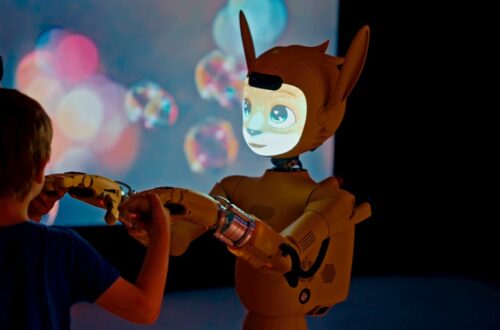
The landscape of entertainment has undergone a significant transformation in recent decades, moving beyond passive consumption to embrace more engaging and participatory models. This shift, often attributed to technological advancements and evolving audience expectations, has redefined the relationship between content creators and their viewers. The conventional one-way flow of information has steadily given way to interactive experiences where the audience is not merely an observer but an active participant, influencing narratives, outcomes, and even the very fabric of the entertainment itself.
The concept of interactive storytelling is not entirely novel. Early forms, such as “choose your own adventure” books, offered readers a degree of agency, allowing them to shape the narrative’s progression. However, modern technology has vastly expanded the scope and sophistication of these interactive elements, moving them from niche offerings to mainstream entertainment.
From Linear Narratives to Branching Paths
Traditional storytelling, whether in literature, film, or television, generally follows a linear narrative structure. The author or creator dictates the plot, character development, and resolution. Interactive entertainment, in contrast, often employs branching narratives, presenting the audience with choices that dictate the story’s trajectory. These choices can range from minor decisions affecting character dialogue to pivotal turning points that drastically alter the overarching plot.
The Influence of Video Games
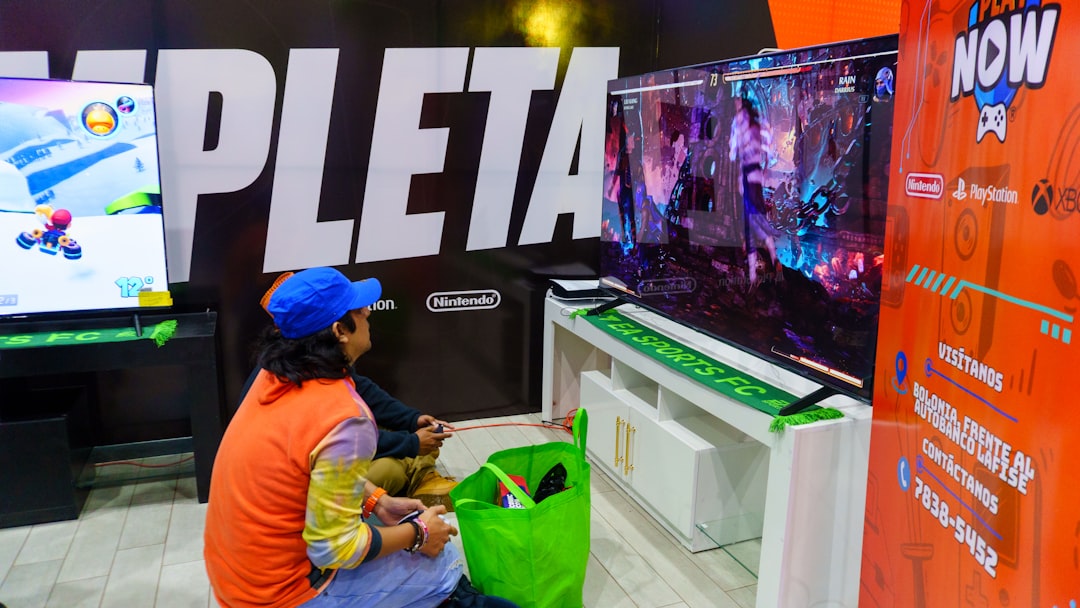
The video game industry has been a primary driver of interactive storytelling’s evolution. From early text-based adventures to complex role-playing games with expansive worlds and intricate narratives, video games have consistently pushed the boundaries of player agency. Games like “Mass Effect” or “The Witcher 3” offer players a myriad of choices, each with potential consequences that ripple through the story, shaping relationships, world states, and ultimate outcomes. This sustained engagement and the feeling of personal investment have significantly contributed to the appeal of interactive experiences.
Transmedia Storytelling and Audience Co-creation
The concept of transmedia storytelling extends interactive narratives across multiple platforms and media formats. Audiences can engage with a story through a television series, a complementary video game, an interactive website, or even social media campaigns. This fragmented yet interconnected approach allows for deeper immersion and often encourages audience co-creation, where fans contribute ideas, fan fiction, or even design elements that become part of the larger narrative universe.
The Impact of Streaming Platforms
Streaming services have played a crucial role in disseminating and popularizing interactive entertainment. Their on-demand nature and global reach provide an ideal environment for experimenting with new formats and engaging diverse audiences.
“Black Mirror: Bandersnatch” as a Watershed Moment
Netflix’s “Black Mirror: Bandersnatch” stands as a prominent example of interactive storytelling on a mainstream streaming platform. The film allowed viewers to make choices for the protagonist, leading to multiple endings and narrative divergences. While the choices were often presented in a relatively simplistic manner, the sheer novelty of the experience on a platform primarily known for linear content garnered significant attention and sparked widespread discussions about the future of interactive video. This experiment demonstrated the potential for significant audience engagement beyond traditional viewing.
Gamification of Content
Streaming platforms are increasingly incorporating elements of gamification into their offerings. This can involve interactive quizzes, polls, or even light role-playing elements embedded within a series. The goal is often to increase viewer retention and create a more dynamic and personalized viewing experience. While not always as complex as full-fledged interactive narratives, these smaller interactive components contribute to a broader shift towards active audience participation.
Personalized Viewing Experiences
Beyond explicit choices, streaming platforms leverage data analytics to offer personalized content recommendations and even dynamically adjust content based on viewer preferences. While this is not direct interaction in a narrative sense, it represents a form of tailored entertainment where the platform responds to the individual viewer’s consumption patterns, creating a more personalized and, in a sense, interactive experience.
Emerging Technologies and Future Directions
The ongoing development of new technologies continues to expand the possibilities for interactive entertainment, promising even more immersive and personalized experiences in the future.
Virtual Reality (VR) and Augmented Reality (AR)
Virtual Reality and Augmented Reality technologies are poised to revolutionize interactive entertainment. VR environments can place users directly within a narrative, allowing them to explore virtual worlds, interact with characters, and influence events from a first-person perspective. AR, on the other hand, overlays digital content onto the real world, blending physical and virtual spaces and creating new opportunities for interactive storytelling and gameplay within everyday environments. The potential for truly immersive and believable interactive experiences in these mediums is substantial.
Artificial Intelligence (AI) and Dynamic Narratives
The integration of Artificial Intelligence represents a significant leap forward in creating dynamic and responsive interactive narratives. AI can be used to generate adaptive dialogue, create non-player characters with complex behaviors, and even dynamically alter plot points based on user actions and preferences. This allows for truly emergent storytelling, where the narrative is not pre-scripted but evolves in real-time, offering a unique experience for each individual participant.
Haptic Feedback and Multi-sensory Experience
Beyond visual and auditory elements, advancements in haptic feedback technology are enabling more multi-sensory interactive experiences. Devices that provide tactile sensations can enhance the feeling of immersion, allowing users to “feel” elements of the virtual world, from the texture of objects to the impact of actions. This added layer of sensory input contributes to a more holistic and convincing interactive environment.
Challenges and Considerations
Despite the burgeoning potential of interactive entertainment, several challenges and considerations need to be addressed as the field continues to mature.
Technical Complexity and Production Costs
Creating sophisticated interactive narratives is often technically complex and resource-intensive. Developing multiple branching paths, designing responsive AI, and integrating advanced technological features requires significant investment in terms of personnel, software, and hardware. This can pose a barrier to entry for smaller creators and lead to higher production costs for ambitious projects. The balance between creative ambition and feasible production remains a pertinent challenge.
Narrative Cohesion and Player Agency
Maintaining narrative cohesion across multiple branching paths can be a significant challenge. As choices proliferate, ensuring that each path feels meaningful and that the overall story retains a sense of purpose and direction becomes increasingly difficult. Furthermore, a central tenet of interactive entertainment is player agency, the feeling that one’s choices truly matter. If choices feel superficial or lead to ultimately indistinguishable outcomes, the interactive experience can lose its appeal. Designers must carefully craft narratives that offer genuine agency without sacrificing thematic depth or narrative integrity.
Audience Engagement and Cognitive Load
While the promise of deeper engagement is a driving force behind interactive entertainment, there is a limit to the cognitive load that audiences are willing to bear. Too many choices, or choices that are presented in a confusing manner, can overwhelm viewers and detract from the enjoyment of the experience. The design of user interfaces and the pacing of interactive elements are crucial for maintaining an optimal level of engagement without inducing fatigue.
Accessibility and Inclusivity
As interactive entertainment becomes more complex, ensuring accessibility for a diverse range of users is paramount. This includes considerations for individuals with disabilities, as well as those who may be less technologically proficient. Inclusive design principles, such as clear instructions, customizable interfaces, and alternative input methods, are essential for broadening the appeal and reach of interactive experiences.
The Future of Entertainment
“`html
| Metrics | Data |
|---|---|
| Number of Interactive Entertainment Platforms | 15 |
| Percentage of Viewers Engaging in Interactive Content | 60% |
| Average Time Spent on Interactive Entertainment | 2 hours per day |
| Top Interactive Entertainment Genres | Action, Adventure, Puzzle |
“`
The rise of interactive entertainment signifies a fundamental shift in how audiences consume and engage with content. From the pioneering efforts of early interactive fiction to the sophisticated VR narratives of today, the trend towards greater audience participation is undeniable. While challenges in technical complexity, narrative design, and accessibility persist, the continued advancements in technology and the evolving expectations of viewers suggest a future where the line between creator and consumer becomes increasingly blurred. Entertainment is no longer solely about passively observing a story; it is increasingly about actively shaping it, contributing to it, and experiencing it in a deeply personal and dynamic way. This paradigm shift holds the potential to unlock new forms of creative expression and redefine the very nature of entertainment itself. The view that entertainment is a one-way street is obsolete; the future is a dynamic dialogue between content and its ever-more active audience.
FAQs
What is interactive entertainment?
Interactive entertainment refers to forms of entertainment, such as video games, virtual reality experiences, and interactive movies, that allow the audience to actively participate and make choices that impact the outcome of the experience.
How are viewers becoming participants in interactive entertainment?
Viewers are becoming participants in interactive entertainment through technologies such as augmented reality, virtual reality, and interactive storytelling platforms that allow them to engage with the content and make decisions that influence the narrative or gameplay.
What are some examples of interactive entertainment?
Examples of interactive entertainment include video games with branching storylines, virtual reality experiences that allow users to interact with the environment, and interactive movies or TV shows that prompt viewers to make choices that affect the plot.
What are the benefits of interactive entertainment?
Interactive entertainment offers benefits such as increased engagement and immersion, personalized experiences based on user choices, and the opportunity for users to feel a sense of agency and control within the entertainment content.
How is interactive entertainment impacting the entertainment industry?
Interactive entertainment is impacting the entertainment industry by blurring the lines between traditional passive viewing experiences and active participation, leading to new opportunities for content creators, innovative storytelling techniques, and the potential for new revenue streams through interactive content.